About the Project and Process
A movement shaped by lived experience, strengthened by peer wisdom, guided by human rights, and grounded in the pursuit of a good life.
The Authors:
16 Voices, One Vision
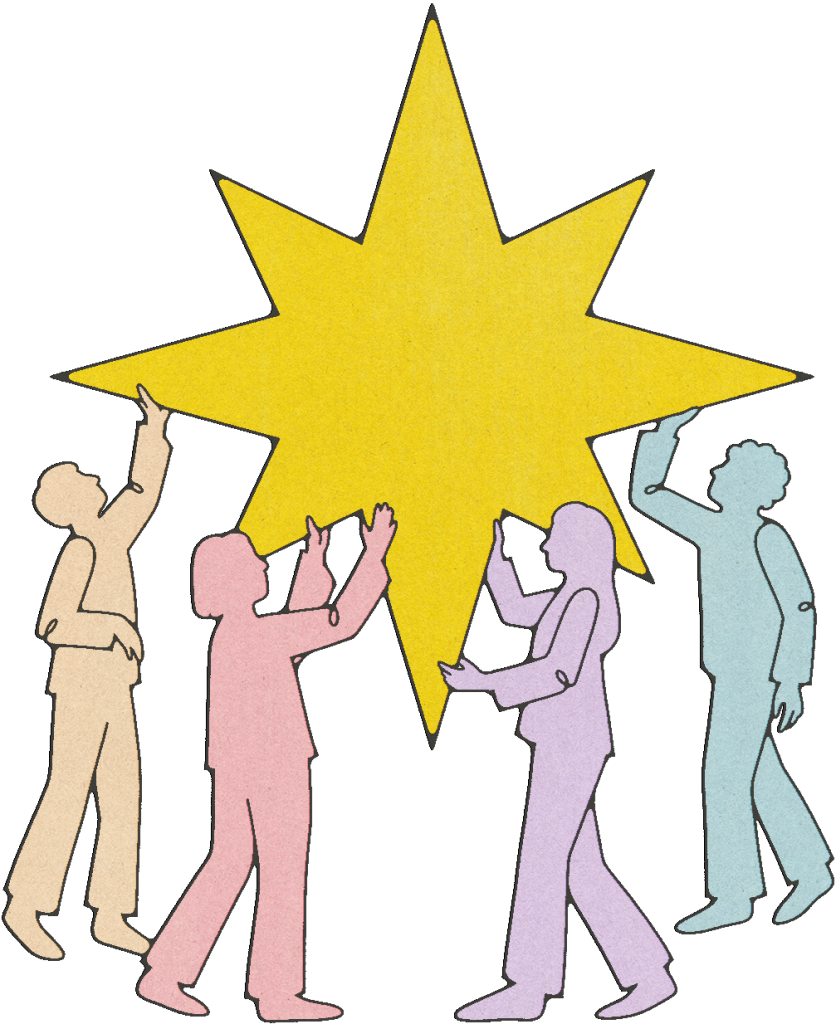
The content on this site was developed by the Making Rights Real Co-Design Group – a collective of 16 people from across Australia, including Victoria, NSW, South Australia, Tasmania, Western Australia, ACT, and Queensland.
We identify as people living with psychosocial disability or mental health challenges. We represent a diverse range of identities, including Trans, Non-binary, Queer, Pansexual, First Nations, and Culturally and Racially Marginalised (CARM) communities. Every resource here is a product of our collective wisdom and lived experience from 2025 and 2026.
Why We are Here
This project is authored by lived experience. Every part of this work was led, designed, and driven by mental health consumers.
Our group exists because the current mental health environment still carries many barriers. For too long, systems and society have relied on models that “manage” us rather than include us. We continue to witness and experience systemic harm—moments where our dignity is overlooked, our participation is restricted, and our voices are secondary to paperwork.
Making Rights Real is our response.
Our goal is not just to provide feedback, but to support systemic reform. We are using the United Nations Convention on the Rights of Persons with Disabilities (UNCRPD) as our legal framework and a good life as our destination.
We are here to bridge the gap between abstract international laws and the reality of our daily lives—turning rights on paper into a lived experience of belonging and respect.
The Co-Design Process
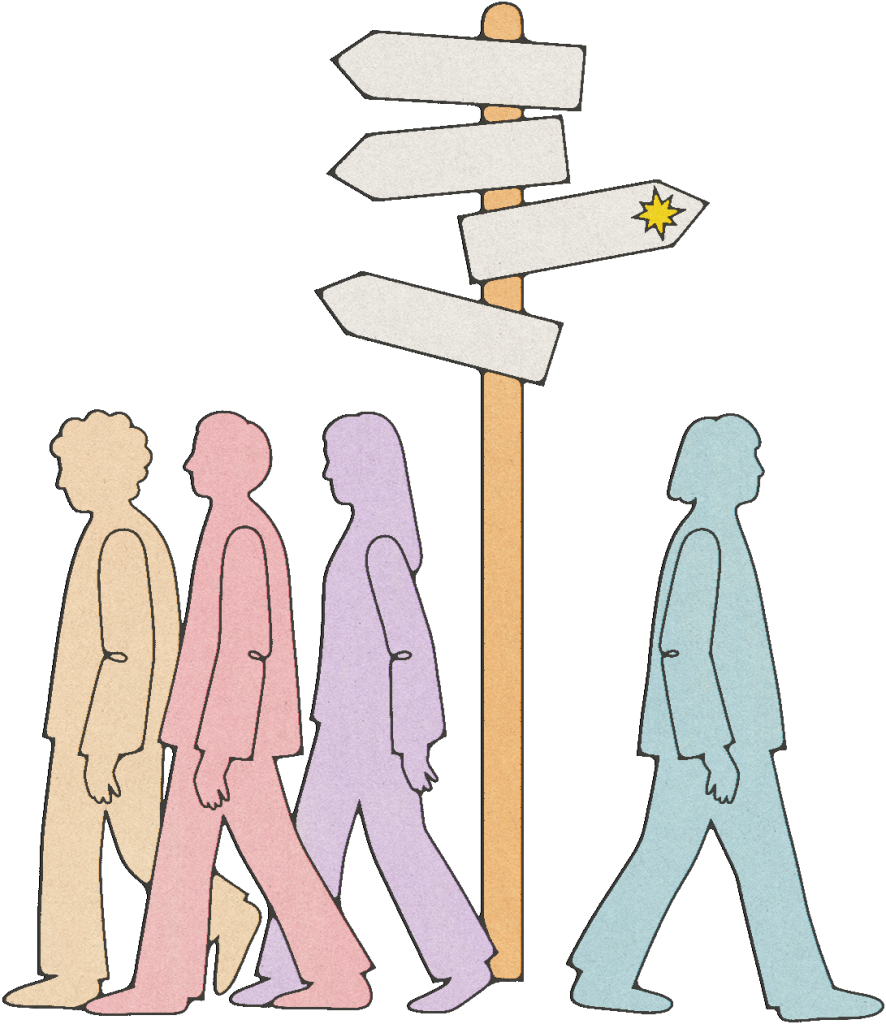
Our 12-month journey (June 2025 – May 2026) followed an iterative co-design process designed to move from the friction of systemic harm to the flow of human rights affirming practices. We met 1-2 times a month following this thinking cycle:
1. Foundational Safety
We began by co-designing a living safety agreement. We acknowledged that for voices to be heard, safety must be a dynamic process that shifts as new needs emerge.
2. Understanding Human Rights Journeys (Empath Phase)
We conducted seven in-depth empathy interviews. These 90-minute conversations explored personal journeys regarding autonomy and choice. We looked at where rights were upheld and where the system failed, providing the raw data needed to map systemic pain points.
3. Identifying Systemic Barriers (Systems Thinking)
We didn’t stop at personal stories. In group brainstorming sessions, we used systems thinking to look beneath the surface. Using the insights from our empathy interviews, we mapped the “Iceberg” of systemic impediments – identifying the mental models (like the paternalistic medical model) and systemic structures (like lack of accountability) that block our path to a good life.
4. Envisioning a Good Life (Visioning)
We collectively articulated what a good life looks like when the UNCRPD is respected and followed. We mapped these aspirations – such as genuine belonging and self-determination – directly to specific articles within the CRPD, ensuring our dreams were anchored in our legal rights.
5. Ideating Solutions (Creative Brainstorming)
In our ideation sessions, we brought our good life vision and the identified systemic barriers together. We asked: How might we dismantle these barriers? This led to the creation of the Blueprint for Partnership and the Warm Entry Protocol – tools designed to move the system towards relational anchoring which prioritises respect and human connection.
6. Creative Synthesis (Converging)
To turn our insights into tools, we worked with 4 lived experience writers and 1 lived experience illustrator.
7. The Feedback Loop (Refinement)
This project is built on transparency. We held 15 feedback loops where co-designers reviewed every draft, illustration, and message created by our lived experience team (project manager, writers, and illustrator). This ensured the final content remained a true reflection of the group’s collective wisdom.
The content on this site was developed by the Making Rights Real Co-Design Group – a collective of 16 people from across Australia, including Victoria, NSW, South Australia, Tasmania, Western Australia, ACT, and Queensland.
We identify as people living with psychosocial disability or mental health challenges. We represent a diverse range of identities, including Trans, Non-binary, Queer, Pansexual, First Nations, and Culturally and Racially Marginalised (CARM) communities. Every resource here is a product of our collective wisdom and lived experience from 2025 and 2026.
How to use this site
This isn’t a mental health directory or a legal toolkit; it’s our contribution to building a human rights-based framework for systemic change.
Making Rights Real serves as a proof of concept for authentic co-design. It showcases a process entirely led by and for people with lived experience of mental health challenges, demonstrating that those who navigate the system can be architects for its transformation.
Whether you are here for yourself, a loved one, or as a professional, we invite you to use this content to:

For Peers
Access our Simple Guide to the UN CRPD and Personal Guide to Your Rights to help bridge the gap between your daily lived experiences and the international human rights standards Australia agreed to uphold.
For Service Providers & Community Organisations
By using the Warm Entry Protocol and Blueprint for Partnership, explore our ideas to shift from a system that simply ‘manages cases’ (processing mindset) to a practice that truly honours human rights and dignity (human rights affirming practices)
For Policymakers
Use our Understanding Barriers to a Good Life to identify some of the deep-seated mental models that Australia must address to align domestic policy with the CRPD.
For Carers, Family, and Kin
Discover more about supporting consumers’ right to self-determination and advocate for a good life that aligns with their inherent rights.
How to Use These Resources
We have designed this journey so you can enter it from wherever you are standing. Whether you are a peer, a service provider, a family member, or an advocate, there is a place for you to begin:
If you want a clear foundation
Start with the Simple Guide to the UNCRPD. With this resource our group translated the international articles into plain language, outlining Australia’s legal obligations under this ratified treaty. We offer it as a tool that could hold systems accountable, if our domestic laws, policies, and practices are brought into full alignment with international human rights standards.
If you want to understand your personal rights
Use the Personal Guide to Your Rights. This resource helps you bridge the gap between your daily lived experiences, and the international human rights standards Australia is obligated to uphold. It provides the language and framework to advocate for domestic policy and practices that align with the UNCRPD.
If you want to understand the system
Read Understanding the Barriers to a Good Life. This uses the “Iceberg Model” to explain what we identified as the underlying structures and mental models that need to change for us to truly realise our good life.
If you want to build better relationships
Use the Blueprint for Partnership. This is our invitation for stakeholders to move from being protectors to partners, creating a new way of working together based on mutual respect and shared power.
If you want to change how you work
Implement the Warm Entry Protocol. It is our concept for a practical, human rights-based standard for replacing clinical processing with relational anchoring – treating every person as a human being from the very first moment of contact.
When you engage with this content, you aren’t just reading about human rights – you are seeing what happens when a group of consumers connects their deepest experiences to a vision of a fair and inclusive society. We hope that it offers language, tools, and inspiration to help make rights a lived reality in Australia.
When Lived Experience Meets Human Rights