
Personal Guide to Your Rights
This guide is your personal tool for using the UN CRPD to develop the language necessary to advocate for a life of dignity, autonomy and belonging.
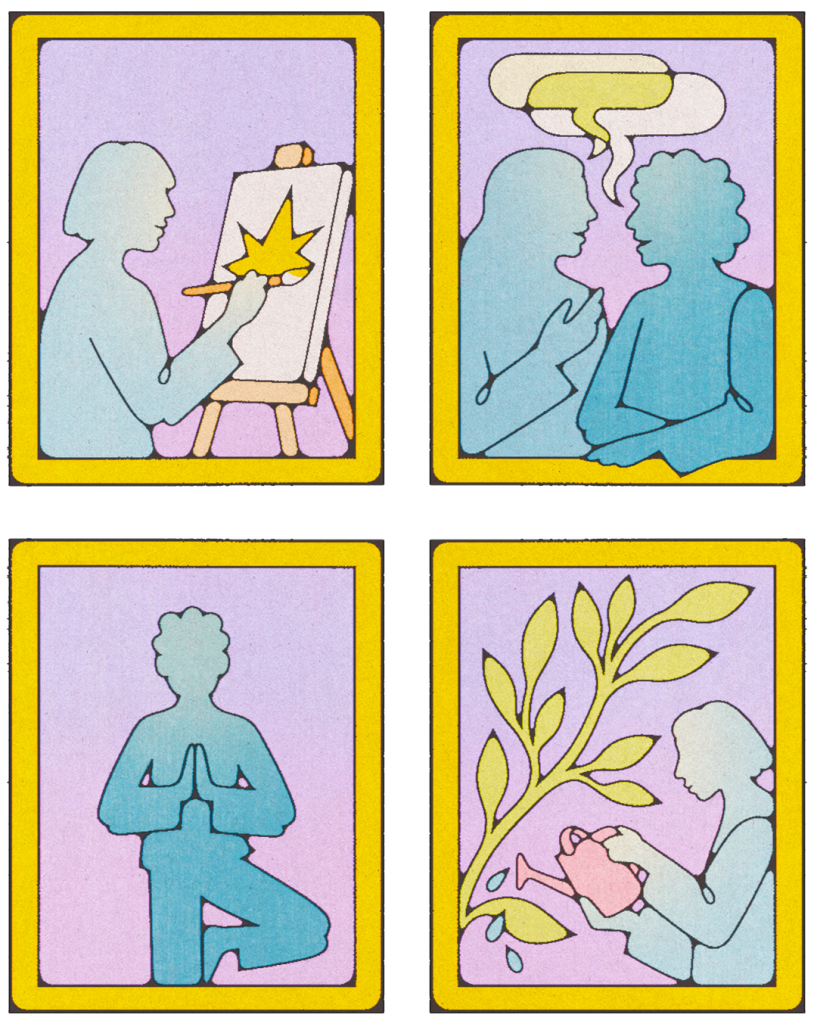
Our Story,
Our Rights
Often the narrative around psychosocial disability has been told through a medical lens. We’ve been seen as a “patient” or a “case,” and our life has been defined by our mental health challenges. But a new story is emerging, one where we are the authors.
This guide helps you understand your rights as a person first.
What is the UN CRPD? Our North Star for Change
The UN Convention on the Rights of Persons with Disabilities (CRPD) is not law you can take to court. It’s an international agreement—a treaty—that Australia has agreed to uphold. Think of it as a guiding light for the government.
This isn’t about changing us; it’s about changing the system around us. Systemic change means transforming the rules, attitudes and structures that might be holding us back—whether that’s in mental health services, community life or government policy. It’s the slow, steady work of making sure society as a whole is built for everyone, not just some people.
Advocacy in Action
Your Guide to Open Dialogue
This shows you how to use the language of the UN CRPD to create open dialogue with doctors, support workers, family or friends.
| Scenario | Situation | The Advocacy Language You Could Use |
|---|---|---|
| 1. With a Doctor | You feel pressured to agree to a new medication without fully understanding the side effects. | "I appreciate you explaining this. I understand the principle of 'protecting the integrity of my person' is important. Could you give me more details about the side effects and maybe schedule a follow-up so I can review it properly?" |
| 2. With a Support Worker | Your support worker or carer focuses only on chores and doesn't encourage a community activity you're interested in, like an art class | "Thanks for the help. I’d like to explore my right to ‘independent living and community inclusion’ under Article 19 of the CRPD. Can we shift our focus next week to helping me find and get to that art class?" |
| 3. With Family | A family member dismisses your perspective on a decision due to your mental health challenges. | "I know you’re trying to help, but the CRPD highlights the importance of ‘equal recognition before the law’ (Article 12). My voice and choices matter just as much as anyone else’s and I deserve to be heard." |
Dignity, Autonomy and Belonging
The articles of the UN CRPD are the building blocks of a truly good life. This guide is the beginning of your journey from a person with mental health challenges to a person whose life is defined by more than their challenges.
Download the Free Resource